
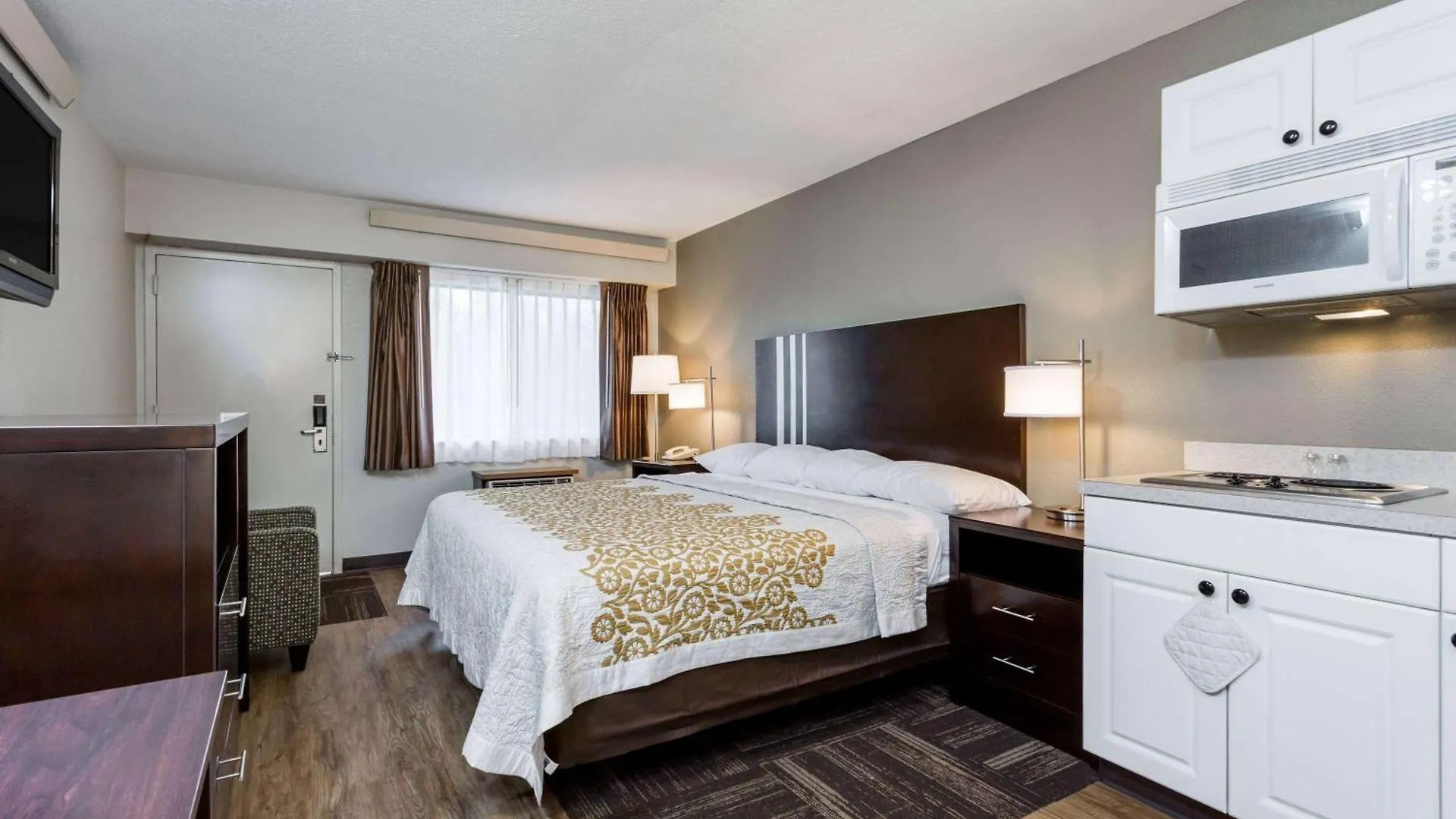
The Appalachian Mountains stretch over 2,000 miles across the eastern United States, passing through iconic states like Pennsylvania, Tennessee, and North Carolina. Travelers searching for Days Inn by Wyndham hotels in the Appalachian Mountains will find well-positioned, no-frills properties that serve as practical base camps for exploring the region's trails, historic towns, and natural landmarks. This guide covers five verified locations across the range, helping you choose the right property based on your itinerary, not just the price tag.
What It's Like Staying in the Appalachian Mountains
Staying in the Appalachian Mountains means trading urban density for scenic access - most hotels sit along interstate corridors, making car travel essential since public transport is virtually nonexistent across the range. Towns like Johnson City, Waynesville, and Harrisburg serve as gateway hubs, each with distinct characters ranging from college-town energy to quiet river-town pace. The region rewards independent travelers with a car, but those relying on rideshares or walkable amenities will find options extremely limited outside of town centers.
Crowd patterns vary sharply by season: fall foliage draws significant traffic through October, while summer brings family hikers and Blue Ridge Parkway road-trippers. Booking at least 3 weeks ahead during peak autumn season is strongly advisable, especially for properties near Asheville or the Smoky Mountains corridor.
Pros:
- Direct access to hiking trails, state parks, and scenic byways without driving far from your lodging
- Lower accommodation costs compared to coastal or major metro destinations in the eastern US
- Interstate-adjacent locations make multi-state Appalachian road trips logistically straightforward
Cons:
- No meaningful public transit - a rental car is non-negotiable for most itineraries
- Dining and entertainment options near budget hotels are often limited to chains and fast food
- Cell service and Wi-Fi reliability can drop significantly once you leave town corridors for trail areas
Why Choose Days Inn by Wyndham Hotels in the Appalachian Mountains
Days Inn by Wyndham properties across the Appalachian region consistently deliver interstate-accessible lodging with included breakfast, free parking, and free WiFi - a practical combination for road-tripping travelers who prioritize morning efficiency over resort amenities. In a region where boutique hotels and luxury resorts can push nightly rates well above $200, Days Inn properties typically land around 40% lower, making multi-night stays financially viable for families and solo travelers alike. Room sizes are standard mid-range, not spacious, but the included in-room microwaves and refrigerators found across most locations remove the need to eat every meal out.
What differentiates these properties from independent motels in the same price band is the Wyndham brand consistency - fitness centers, business centers, and disability-accessible facilities appear reliably across locations, reducing the guesswork of booking an unknown independent property. Trade-offs include limited on-site dining beyond breakfast and exterior corridor layouts common in this hotel tier.
Pros:
- Included continental or grab-and-go breakfast reduces daily travel costs for multi-day trips
- Free parking across all locations suits the car-dependent nature of Appalachian travel
- Consistent brand standards across states reduce risk when booking unfamiliar gateway towns
Cons:
- Rooms are functional rather than spacious - not suited for extended work-from-anywhere stays
- On-site dining options are minimal; most locations rely on nearby chain restaurants
- Outdoor aesthetics and common areas are basic, with limited leisure infrastructure beyond the pool (where available)
Practical Booking & Area Strategy for the Appalachian Mountains
The Appalachian Mountain corridor covers multiple states, so choosing the right sub-region matters more than the hotel brand itself. In the northern stretch, Harrisburg, Pennsylvania positions you near the Susquehanna River, Fort Hunter Mansion, and within driving distance of Hershey Park, making it a strong pick for families mixing nature with attractions. Further south, Johnson City and Cleveland in Tennessee sit within reach of the Bristol Motor Speedway, Cherokee National Forest, and the southern Appalachian trail systems - better for outdoor-focused itineraries. Waynesville, North Carolina, occupies a strategic spot roughly 48 km from the Biltmore Estate and close to the Blue Ridge Parkway, while Wurtsboro in New York State gives northern Appalachian access near the Catskills and Bethel Woods.
For popular fall foliage windows, book at least 4 weeks in advance - inventory across the Tennessee and North Carolina corridor disappears quickly in October. Travelers targeting the Harrisburg or Wurtsboro stretch face less competition but should still plan around summer holiday weekends. All five properties covered here sit directly off major interstates, cutting check-in logistics to under 10 minutes from the highway, which is a real advantage on long driving days through the mountains.
Best Value Stays
These properties offer strong logistical positioning across the Appalachian corridor at budget-friendly rates, with included breakfast and interstate access that suits multi-day road trip itineraries.
-
1. Days Inn By Wyndham Harrisburg North
Show on map


 Check-infrom 15:00 until 23:59Check-outuntil 11:00
Just a few rooms left at the best rate!
fromUS$ 67
-
2. Days Inn & Suites By Wyndham Johnson City
Show on map


 Check-infrom 15:00 until 23:59Check-outuntil 11:00
Just a few rooms left at the best rate!
fromUS$ 242
-
3. Days Inn By Wyndham Cleveland Tn
Show on map


 Check-infrom 15:00 until 23:59Check-outuntil 11:00
Hurry – almost gone at this price!
fromUS$ 76
-
4. Days Inn By Wyndham Wurtsboro
Show on map


 Check-infrom 15:00 until 23:59Check-outuntil 11:00
Hurry – almost gone at this price!
fromUS$ 77
Best Premium Option
This property offers the strongest combination of location, proximity to major Appalachian attractions, and in-region access for travelers prioritizing the western North Carolina stretch of the mountains.
-
5. Days Inn By Wyndham Waynesville Nc
Show on map


 Check-infrom 16:00 until 21:00Check-outfrom 11:00 until 12:00
Rooms filling fast – secure the best rate!
fromUS$ 60
Smart Travel & Timing Advice for the Appalachian Mountains
The Appalachian Mountains experience their highest visitor volumes between mid-September and late October, when fall foliage peaks across Pennsylvania, Tennessee, and North Carolina. During this window, hotel rates can spike by around 35% compared to summer rates, and availability at well-positioned properties disappears weeks in advance. Summer is the second busiest period, driven by family hiking trips and Blue Ridge Parkway road-trippers, but offers slightly more flexibility for last-minute bookings than autumn. Winter brings the quietest conditions across most of the range - towns like Waynesville and Johnson City remain accessible, though some higher-elevation trail access closes seasonally.
For most Appalachian itineraries, a minimum of 3 nights per sub-region is realistic - the distances between Pennsylvania, Tennessee, and North Carolina require dedicated driving days that eat into sightseeing time if you're moving too quickly. Early booking in spring (March to April) often unlocks the best rate-to-availability ratio, with wildflower blooms adding a secondary draw that is increasingly popular but not yet as heavily booked as autumn. Last-minute deals are rare along the Tennessee and North Carolina corridor during peak months, so advance planning directly translates to cost savings.


