
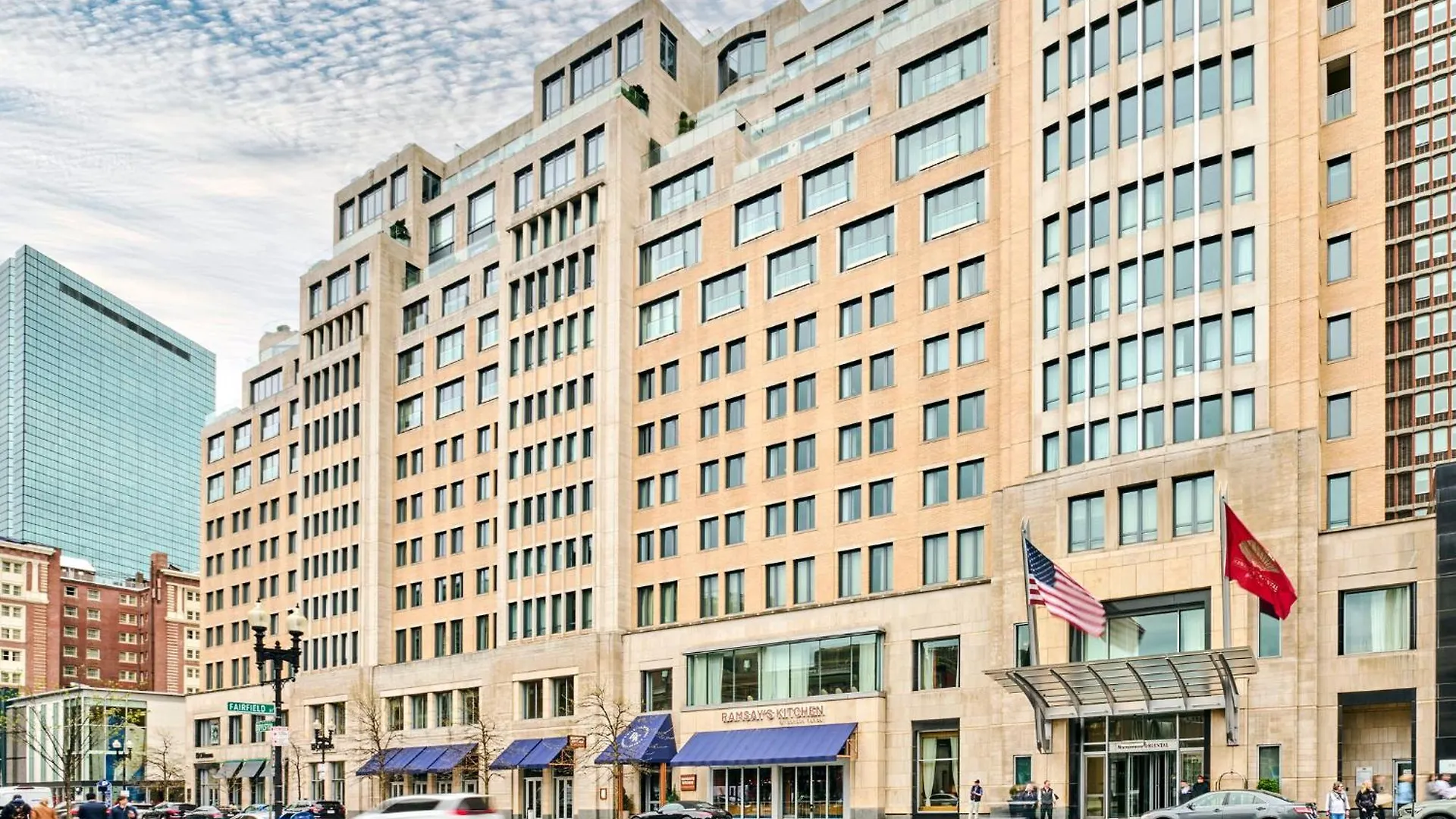
Massachusetts delivers a rare combination of historic architecture, Atlantic coastlines, and urban cultural depth that makes luxury travel here genuinely distinct. From Boston's Back Bay to the island shores of Martha's Vineyard, this guide covers the four best luxury hotels in Massachusetts to help you book with confidence and no guesswork.
What It's Like Staying in Massachusetts
Massachusetts compresses an extraordinary variety of travel experiences into a compact geography - colonial seaport towns, an internationally significant urban core in Boston, and island destinations accessible only by ferry. Cape Ann, Martha's Vineyard, and Cape Cod each operate on seasonal rhythms that directly affect hotel availability and pricing, with summer months drawing the heaviest crowds to coastal areas. Boston, by contrast, runs year-round with strong business and academic travel demand driven by its concentration of universities and medical institutions.
Travelers who prefer walkable, transit-accessible urban stays benefit most from Boston's Back Bay and Beacon Hill neighborhoods, while those seeking coastal seclusion will find better value and atmosphere outside the city on the Cape or the islands.
Pros:
- Exceptional geographic diversity within a single state - ocean, city, and countryside within 2 hours of each other
- Boston's Logan Airport offers direct international connections, making arrival straightforward for transatlantic visitors
- The Massachusetts coastline offers some of the most architecturally preserved seaside towns in the United States
Cons:
- Summer ferry crossings to Martha's Vineyard and Nantucket sell out weeks in advance, requiring tight advance planning
- Boston hotel prices spike significantly during university graduation season in May and major sports events
- Driving in Boston's city core is genuinely difficult - narrow historic streets and limited parking make a car impractical for purely urban stays
Why Choose Luxury Hotels in Massachusetts
Luxury hotels in Massachusetts tend to occupy historically significant properties - converted 19th-century mansions, art deco buildings, and boutique inns with genuine architectural character rather than generic high-rise finishes. In Boston's Back Bay, five-star properties command some of the highest nightly rates in New England, regularly exceeding $500 per night during peak periods, but they deliver genuinely spacious rooms and full-service amenities that budget or mid-range options in the city cannot match. Outside Boston, luxury inns on Cape Ann, Cape Cod, and Martha's Vineyard often include complimentary breakfast and private parking - inclusions that add around 20% in practical value compared to booking separately.
The trade-off in coastal luxury properties is seasonal availability: many of the finest inns operate on a compressed calendar, closing between November and April, which limits flexibility for off-season travelers.
Pros:
- Historic properties with genuine architectural identity - art deco mansions, Federal-style inns - rather than standardized chain interiors
- Coastal luxury inns frequently include complimentary breakfast and free parking, reducing the true cost of the stay
- Boston's luxury hotels position guests within walking distance of Newbury Street, the Public Garden, and the city's best restaurant corridor
Cons:
- Top Boston luxury hotels do not typically include parking - valet charges can add a meaningful daily cost for guests arriving by car
- Coastal luxury inns operate seasonally and often require minimum stays of 2 nights on weekends during summer
- Island destinations like Martha's Vineyard require ferry travel after flying into Boston or Providence, adding logistical complexity
Practical Booking & Area Strategy
For Boston, Back Bay is the strongest base - it connects directly to Logan Airport via the Silver Line (around 25 minutes, no transfer required) and places guests within a 10-minute walk of Copley Square, the Boston Public Library, and the Newbury Street shopping corridor. Travelers targeting Cape Cod should position themselves in Yarmouth Port or Sandwich for the best balance of access to National Seashore trails, historic glass museums, and the regional airport at Barnstable. Martha's Vineyard requires a ferry from Woods Hole (around 45 minutes), so booking accommodation in Oak Bluffs near the ferry terminal cuts transit friction significantly once on the island.
Book Cape Cod and Martha's Vineyard luxury properties at least 8 weeks ahead for July and August travel - the coastal luxury inventory is small and fills faster than Boston's larger hotel market. Rockport and Gloucester on Cape Ann are best reached by commuter rail from Boston's North Station, making them practical for a day trip or a 2-night extension to a Boston stay without requiring a rental car.
Key attractions to factor into your base choice include the Freedom Trail and Faneuil Hall (Boston), Cape Cod National Seashore, Edgartown Lighthouse on Martha's Vineyard, and the Rockport art colony on Cape Ann - each pulling visitors toward a different part of the state.
Best Luxury Hotels in Massachusetts
The four properties below represent the strongest luxury options across Massachusetts's most visited regions - Boston, Cape Ann, Martha's Vineyard, and Cape Cod - each selected for distinct positioning and genuine high-value features.
-
1. Mandarin Oriental, Boston
Show on map


 Check-infrom 15:00 until 23:59Check-outuntil 12:00
Just a few rooms left at the best rate!
fromUS$ 568
-
2. Yankee Clipper Inn
Show on map


 Check-infrom 14:00 until 21:00Check-outfrom 08:00 until 11:00
Just a few rooms left at the best rate!
fromUS$ 279
-
3. The Oak Bluffs Inn
Show on map


 Check-infrom 15:00 until 21:00Check-outuntil 11:00
Hurry – almost gone at this price!
fromUS$ 483
-
4. The Inn At Cape Cod
Show on map


 Check-infrom 15:00 until 23:30Check-outuntil 11:00
Rooms filling fast – secure the best rate!
fromUS$ 379
Smart Travel & Timing Advice for Massachusetts
The clearest split in Massachusetts travel timing is between Boston - which runs strong year-round - and the coastal and island destinations, which operate on a June-to-September peak that concentrates demand sharply. July and August are the most competitive booking months for Martha's Vineyard and Cape Ann properties, with luxury inventory selling out well ahead of arrival; booking at least 8 weeks in advance is a reliable minimum for summer weekends. Boston luxury hotels face their own price spikes during university graduation season (mid-May) and major conference periods, when Back Bay room rates can rise by around 35% above the annual average.
For best value, late September and October offer the strongest combination of mild weather, reduced crowds, and lower nightly rates across all Massachusetts regions - fall foliage along the Cape Cod Rail Trail and in the Pioneer Valley adds genuine scenic value without summer pricing. Coastal inns often close by late October, so the late September window is effectively the last opportunity for full-service luxury stays outside Boston before the off-season. A minimum of 2 nights is practical for any coastal or island property given the travel time involved in reaching them from Boston; for Boston itself, 3 nights allows enough time to cover the Freedom Trail, Back Bay, and a day trip to either Rockport or Concord without feeling rushed.


