
The American South holds more layers of documented history per square mile than almost any other region in the country - from Civil War battlefields and antebellum plantations to Gulf Coast trading ports and Appalachian frontier towns. Staying in a hotel with genuine historic character here means sleeping within walking distance of that story, not just reading about it on a tour bus. This guide covers 15 properties across Virginia, Texas, North Carolina, Georgia, Florida, Maryland, and Mississippi that combine historical context with real booking value - so you can choose based on location strategy, not just aesthetics.
What It's Like Staying in the American South
The South spans a vast geographic and cultural range - from the Blue Ridge Mountains of Virginia and the Carolina coast to the Texas Hill Country, the Mississippi Gulf, and the subtropical edge of Florida. Travel rhythm here is car-dependent in most destinations outside Baltimore, with distances between attractions often exceeding 20 kilometers. Crowd patterns vary sharply: coastal and city-adjacent properties fill fast from March through June, while inland towns like Marshall, TX or Junction, TX stay manageable year-round.
Visitors drawn specifically to Southern history - Civil War sites, Native American heritage, maritime history, and colonial-era architecture - will find this region unmatched. Travelers expecting walkable urban density similar to the Northeast may need to adjust expectations.
Pros:
- Unparalleled density of Civil War, colonial, and indigenous historical sites across multiple states
- Lower accommodation costs compared to Northeast equivalents, with strong value at 3-star level
- Most historic properties offer free parking, a practical advantage in car-dependent destinations
Cons:
- Public transport is limited or nonexistent in most historic towns outside major cities
- Summer heat across Gulf Coast and inland Texas destinations regularly exceeds 38°C
- Seasonal closures of outdoor historic sites affect itinerary planning from December through February
Why Choose Historic Hotels in the American South
Historic hotels in the South aren't a luxury niche - they span from well-priced 3-star chain properties positioned near battlefields and state parks to independent 4-star inns operating inside 19th-century buildings. The defining advantage is physical proximity to historic sites that would otherwise require long drives from generic suburban corridor hotels. Properties here routinely offer free parking and complimentary breakfast, which meaningfully offsets sticker prices compared to boutique urban markets. Room sizes at historic-adjacent properties in smaller Southern towns tend to be larger than equivalent city hotels, often including microwaves and refrigerators at the 3-star level.
The trade-off is consistency: independently operated historic inns deliver atmosphere but can vary in soundproofing and Wi-Fi reliability, while branded properties near historic sites offer predictability at the cost of character. Around 60% of the properties in this guide are IHG, Hilton, or Choice Hotels-affiliated, giving loyalty program travelers tangible earning opportunities alongside genuine historical positioning.
Pros:
- Direct proximity to Civil War sites, heritage museums, and coastal historic districts without long daily drives
- Most 3-star options include complimentary hot breakfast, reducing daily travel costs noticeably
- Free parking is standard across virtually all Southern historic hotel markets
Cons:
- Independent historic inns may lack elevator access, a real constraint for mobility-limited travelers
- Smaller historic towns offer fewer late-night dining options within walking distance
- Peak spring season bookings at coastal and Civil War corridor properties fill around 8 weeks in advance
Practical Booking & Area Strategy for the American South
Positioning matters enormously across the South's sprawling geography. Richmond, Virginia and its surrounds offer the densest concentration of Civil War heritage within a single day-trip radius, with access to battlefields, plantations, and the Virginia Museum of Transportation all feasible from one base. Baltimore serves as the northeastern entry point for travelers combining Maryland history with broader Southern itineraries, with BWI Airport around 15 kilometers from historic downtown properties. For Gulf Coast history - particularly maritime heritage and the Ohr-O'Keefe Museum of Art - Biloxi, Mississippi provides beach access alongside cultural depth at competitive room rates.
Texas-based travelers should note that Marshall and Bastrop both sit in historically significant regions (East Texas and the Colorado River corridor respectively) but require a rental car for all meaningful movement. Book coastal Carolinas and Virginia properties at least 6 weeks ahead for spring travel, when Revolutionary War and Civil War anniversary events drive sharp occupancy spikes. Inland Texas and Oklahoma properties remain bookable with far less lead time outside of local festival weekends.
Best Value Historic Stays
These properties deliver strong historical positioning and practical amenities at 3-star price points, making them the most accessible entry points for history-focused Southern travel.
-
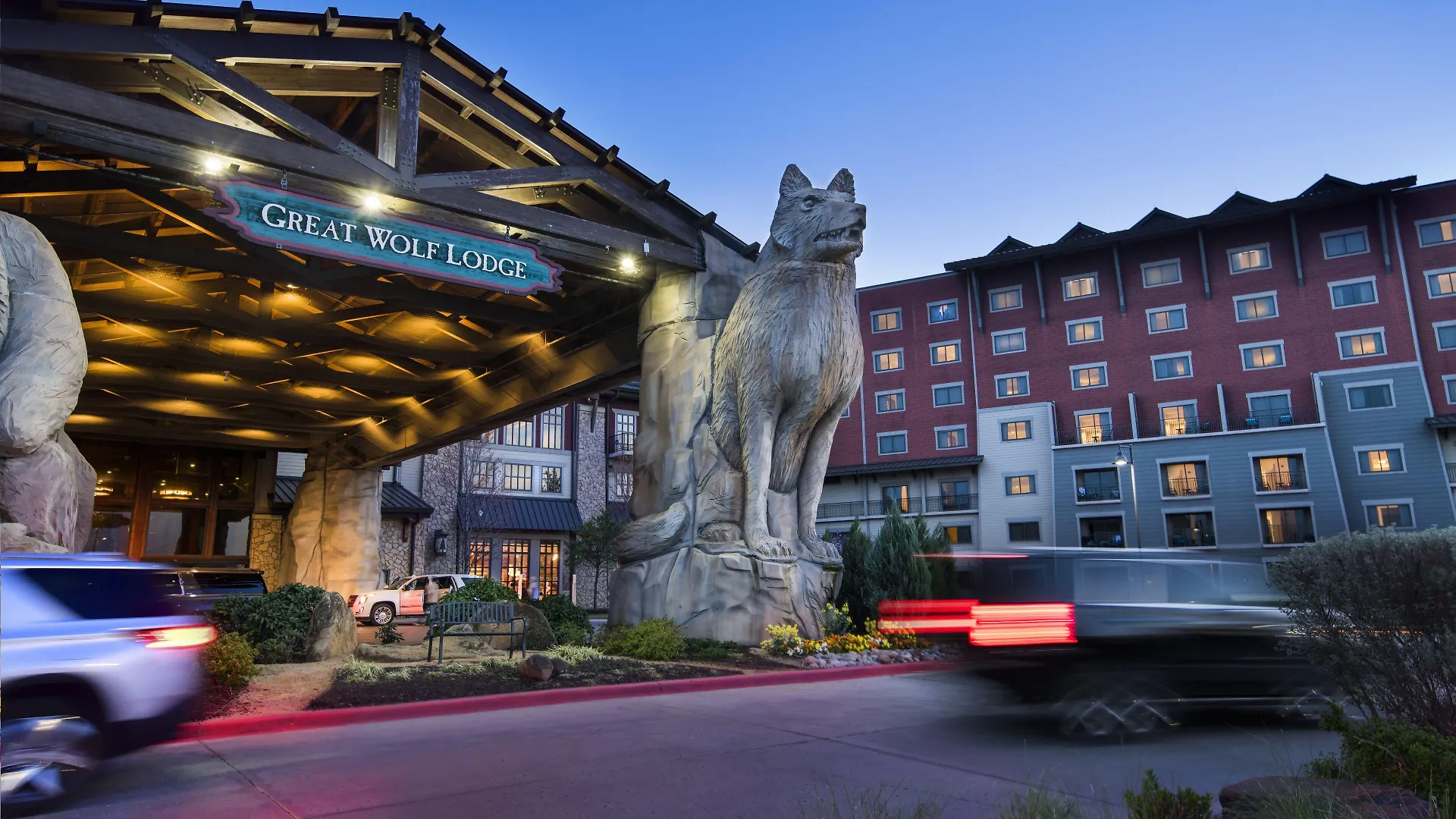
1. Great Wolf Lodge Grapevine
Show on map


 Check-infrom 16:00 until 23:59Check-outfrom 05:00 until 11:00
Best price guarantee
fromUS$ 150
-
2. Hampton Inn Greensboro East / Mcleansville
Show on map


 Check-infrom 15:00 until 23:00Check-outuntil 11:00
Best price guarantee
fromUS$ 185
-
3. Edgewater Inn - Biloxi Beach
Show on map


 Check-infrom 16:00 until 23:59Check-outfrom 06:00 until 11:00
Hurry – almost gone at this price!
fromUS$ 89
-
4. Sleep Inn Tanglewood
Show on map


 Check-infrom 15:00 until 23:59Check-outuntil 11:00
Rooms filling fast – secure the best rate!
fromUS$ 78
-
5. Holiday Inn Express Hotel & Suites Marshall By Ihg
Show on map


 Check-infrom 15:00 until 23:59Check-outuntil 12:00
Just a few rooms left at the best rate!
fromUS$ 94
-
6. Quality Inn Bastrop
Show on map


 Check-infrom 15:00 until 23:59Check-outuntil 11:00
Best price guarantee
fromUS$ 74
-
7. Best Western Plus Weatherford
Show on map


 Check-infrom 15:00 until 23:59Check-outuntil 11:00
Hurry – almost gone at this price!
fromUS$ 101
-
8. Hampton Inn Okeechobee - Lake Okeechobee
Show on map


 Check-infrom 15:00 until 23:00Check-outuntil 11:00
Just a few rooms left at the best rate!
fromUS$ 145
-
9. Best Western Dos Rios
Show on map


 Check-infrom 15:00 until 23:59Check-outuntil 12:00
Rooms filling fast – secure the best rate!
fromUS$ 84
-
10. Hampton Inn Dulles/Cascades
Show on map


 Check-infrom 15:00 until 23:00Check-outuntil 11:00
Just a few rooms left at the best rate!
fromUS$ 106
-
11. Hampton Inn & Suites Lenoir, Nc
Show on map


 Check-infrom 15:00 until 23:59Check-outuntil 12:00
Just a few rooms left at the best rate!
fromUS$ 135
-
12. Comfort Suites Southport - Oak Island
Show on map


 Check-infrom 15:00 until 23:59Check-outuntil 11:00
Hurry – almost gone at this price!
fromUS$ 79
-
13. Hampton Inn & Suites Valdosta/Conference Center
Show on map


 Check-infrom 15:00 until 23:59Check-outuntil 11:00
Rooms filling fast – secure the best rate!
fromUS$ 93
Best Premium Historic Stays
These two properties go beyond standard amenity packages - one sits on an actual Civil War battlefield site, the other operates inside a 19th-century building in Baltimore's historic district. Both justify higher nightly rates through irreplaceable historical character and above-standard facilities.
-
14. Virginia Crossings Hotel, Tapestry Collection By Hilton
Show on map


 Check-infrom 16:00 until 23:59Check-outuntil 11:00
Rooms filling fast – secure the best rate!
fromUS$ 91
-
15. 1840S Carrollton Inn
Show on map


 Check-infrom 15:00 until 23:59Check-outuntil 11:00
Hurry – almost gone at this price!
fromUS$ 192
Smart Travel & Timing Advice for Historic Hotels in the South
The best window for historic travel across the American South runs from mid-September through November, when temperatures drop to manageable levels, fall foliage frames Blue Ridge and Appalachian heritage routes, and summer tourist volumes have cleared. Spring (March-May) is peak season for Civil War anniversary events, plantation garden tours, and coastal North Carolina and Virginia properties - expect rates to rise around 30% above shoulder season pricing during key commemorative weekends in April and May.
For Gulf Coast destinations like Biloxi, January through March delivers the lowest room rates and cooler walking temperatures for exploring outdoor historic sites without summer humidity. Texas Hill Country and East Texas heritage properties see their highest demand during October's fall festival season - Junction, Marshall, and Bastrop all host locally significant heritage events that fill smaller properties quickly. Book at least 6 weeks ahead for Virginia and Carolinas spring travel; inland Texas and Oklahoma properties can typically be secured with 2-3 weeks' lead time outside festival weekends. Most historic Southern destinations reward a minimum stay of 3 nights to allow meaningful engagement with multiple sites without daily long-distance driving pressure.


